$7.4 Million Awarded to Strengthen Access, Connection, and Independence
November 18, 2025
The Craig H. Neilsen Foundation has awarded grants to 59 nonprofits through its Creating Opportunity & Independence (CO&I) portfolio. These organizations will leverage their funding to expand access, inclusion, and quality of life for people living with spinal cord injury (SCI). Our new grantee partners reflect the Foundation’s ongoing commitment to supporting programs that create meaningful opportunities for individuals to live active and engaged lives in their communities.
The Community Support Grants focus on three key areas: improving accessibility in how things are done, supporting the activities people can participate in, and strengthening the transitions they go through after injury. Collectively, these grants recognize that independence looks different for everyone, and that progress is built through inclusion at every stage of life.
Many of this year’s partners are rethinking environments, technology, and community spaces to better meet the needs of people with SCI. Acknowledging the importance of lived experience, several are incorporating lived experience into the design of public spaces—ensuring that trails, theaters, and recreation areas are both functional and welcoming. Others are closing everyday gaps through innovation, such as adaptive gaming and mobility devices that make participation possible for individuals with limited mobility. These efforts show how thoughtful design and collaboration can redefine what it means to be accessible.
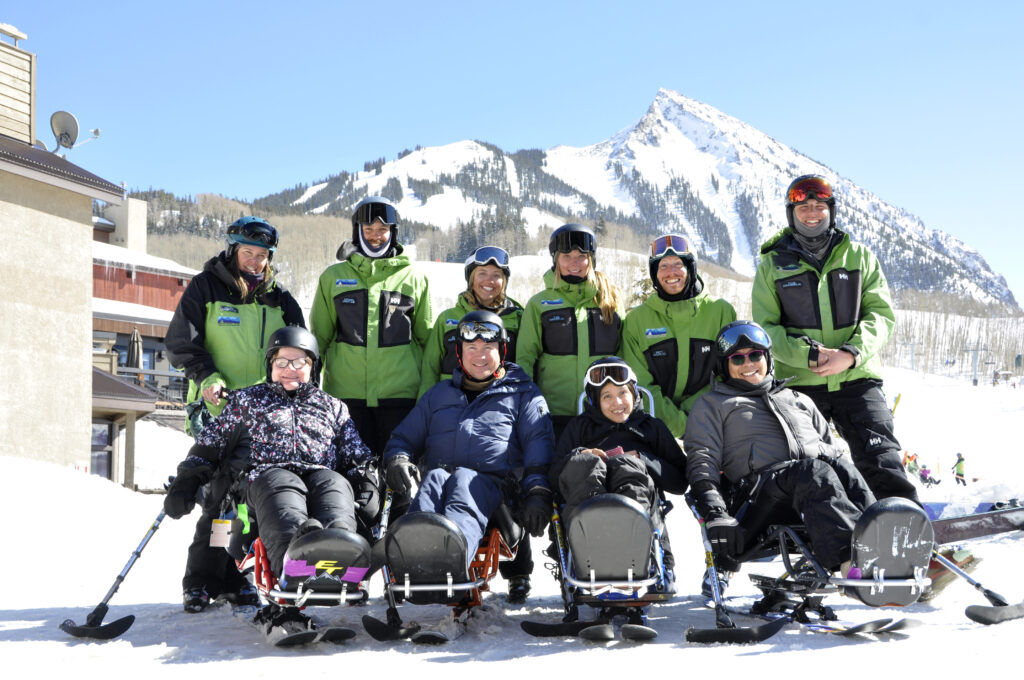
Another theme this year is to bring people together through shared activities. Across the arts, sports, and peer support, grantee partners are creating spaces for connection and creativity. Some programs are introducing art and music therapy into rehabilitation settings, helping participants express themselves and build confidence as a critical part of recovery. Other organizations are expanding access to adaptive recreation and fitness programs, making movement a shared, community experience. Each effort contributes to belonging and wellbeing, reminding us that connection is just as vital to independence as access itself.
The third area of funding addresses key life transitions, supporting individuals as they move from hospital to home and beyond. This includes programs that make living spaces safer and more functional, offer adaptive driving instruction, or help people return to work or school with the right technology and equipment. Organizations are also focusing on skill-building and resource navigation, ensuring that individuals and families can approach new stages of life with confidence. The goal of this work is to help remove barriers that can limit independence and participation in daily life.
The Foundation is proud to make this $7.4 million investment and stand alongside grantee partners who are driving progress in practical, human-centered ways. Their work reflects dedication, creativity, and a shared belief that inclusion and opportunity strengthen not only the SCI community, but the broader communities we all belong to.