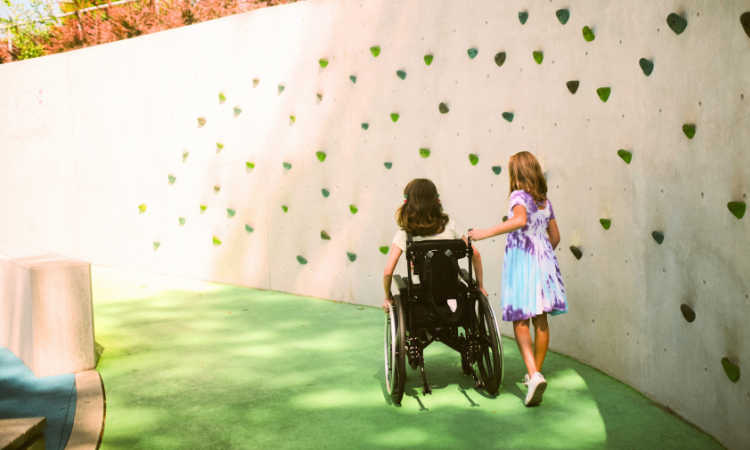
A child doesn’t necessarily spend every minute thinking, “I have a spinal cord injury (SCI).” There is homework to finish, someone to text back, a game to play, interests to discover, and a growing sense of who they are becoming. Part of growing up is also figuring out where you fit—with friends, at school, in family life, and, over time, how to make decisions that shape your own life. SCI can be part of every day without being the subject of every day.
And then there are moments when disability moves right to the front. Maybe plans with friends have to change because the place they chose is difficult to navigate. Maybe getting ready for school takes longer one morning because something with your body, equipment, or routine is not cooperating.
For a young person with SCI, growing up includes simply being in the moment and then quickly being reminded that moving through the world sometimes asks something different of you. As childhood expands into new places, relationships, and experiences, what SCI means in daily life changes too. The work of Craig H. Neilsen Foundation grantee partners offers a window into how those needs can shift across community life, healthcare, and research.
Community: Being Part of the Room
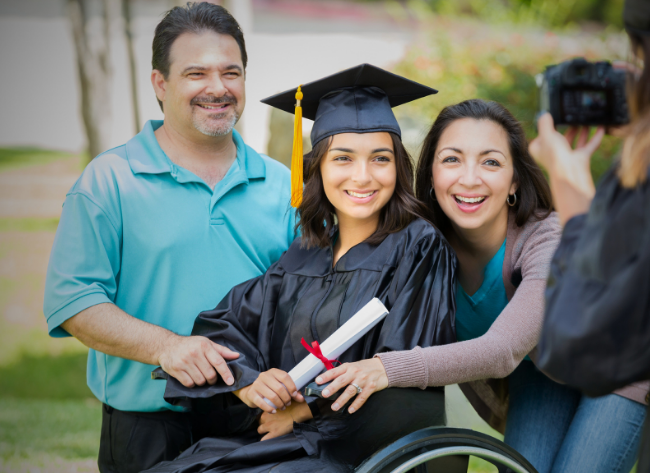
One grantee partner’s school transition program helps students with SCI navigate the return to school and the changing demands that come with it. A first grader in the program knew exactly what was bothering them. When their classmates sat on the floor for activities, they stayed in their wheelchair and felt different from the rest of the group. The team worked with this child on how to make a safe transfer to the floor. On paper, that is a mobility skill—in the classroom, it meant sitting with friends was an option.
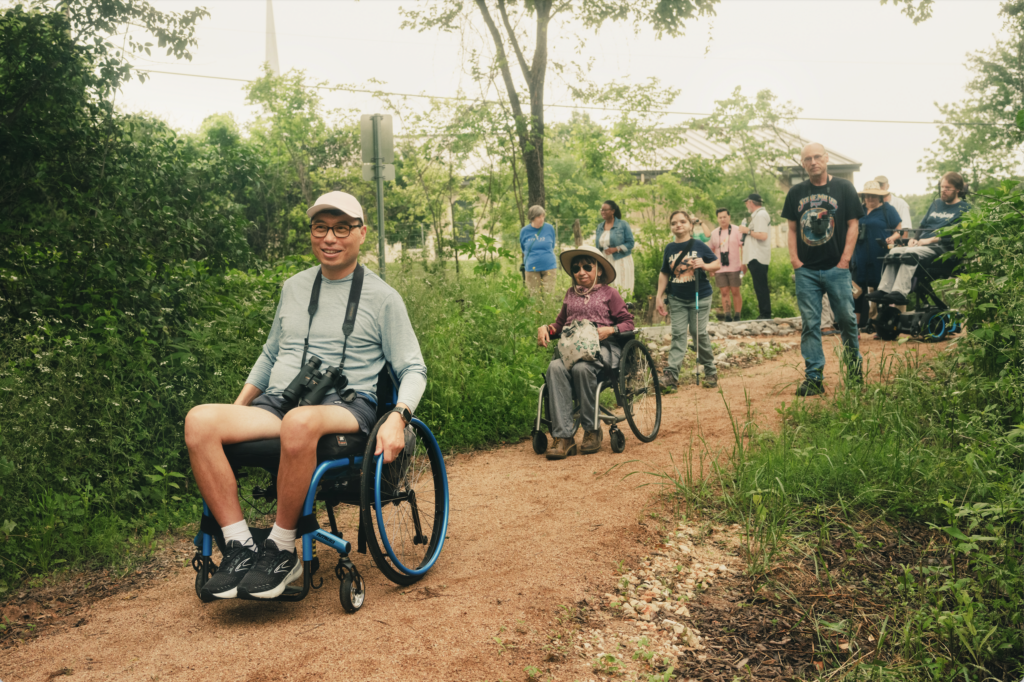
Another student in the same program faced a different challenge. Their high school campus was large, the hallways were crowded, they were learning to use new forearm crutches, and they needed a strategy to effectively navigate the hallway traffic. The program’s care team met the student on campus so they could practice the routes to travel between classes.
Belonging is an important part of childhood but young people with SCI have to think about things their peers rarely need to consider: how they will move through a space, will a plan work for their body, or will they be able to participate in the way they want?
Those calculations exist alongside everything else that makes them a kid, including friendships, hobbies, school, family, and a growing desire to make more choices for themselves. SCI does not have to be the focus of an experience to shape it but being part of the room does require more thought, preparation, or support.
Healthcare: Learning Your Own Body
Children with SCI can become familiar with healthcare language early. They may grow up knowing the rhythm of therapy and medical visits and paying close attention to things happening in their bodies that other children have little reason to notice.
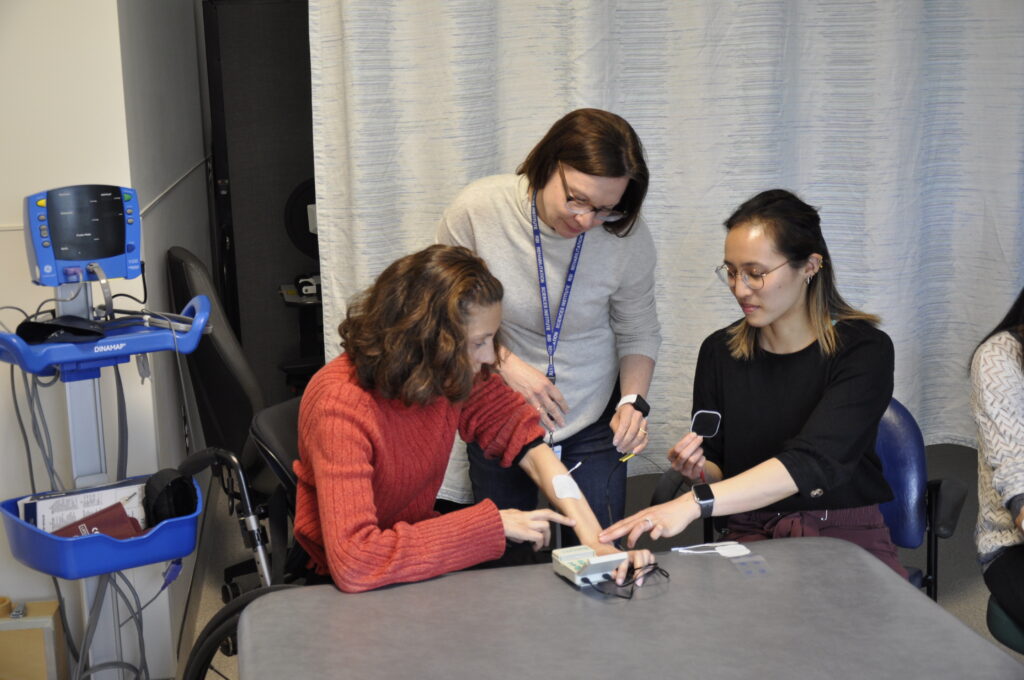
One grantee partner described pediatric care as something that has to keep pace with the child as they grow. Earlier goals give way to different needs, and therapy must adjust with them. The young person can change within that relationship too. Someone who has spent years being examined, treated, and asked how something feels may come to know their body extremely well and develop their own sense of what is working.
As that voice grows, it might mean:
- speaking up when something does not feel right
- expressing a preference about care or equipment
- asking questions and being included in decisions
- directing assistance in the way that works best for them
Being included in one’s own care is another part of growing up. As health needs change, so does the young person’s role in understanding and managing them.
Research: What Are We Actually Trying to Change?
Many doctors and scientists are devoted to improving the lives of people with spinal cord injuries. Their studies have to define what progress should look like so that they can measure it. Researchers call the changes they choose to measure outcomes. These might include building strength, relieving pain, recovering lost functions, or participation in activities that improve quality of life. Those measures are important but may tell only part of the story for a young person living with SCI.
One grantee partner studied how caregivers can and do adapt as their child with SCI participates in an activity-based therapy that focuses on improving how the nervous system and muscles work together. Researchers followed families over time, looking not only at the child’s clinical progress but also at what caregivers were noticing as their children develop and how family life adjusted around SCI.
In interviews, caregivers described children taking greater initiative and progressing socially, emotionally, and cognitively. They talked about becoming less worried about the future as their children gained skills and confidence, while also expressing concern about what might happen when the intensive therapy ended. One recurring idea was wanting their children to be “at the table” and included in the activities and decisions happening around them.
Those observations captured parts of progress that a physical assessment alone might miss. For youth with SCI, progress can include not only what the body is able to do, but whether a young person has more opportunity to participate, belong, make choices, and be part of everyday life.
Where SCI Fits
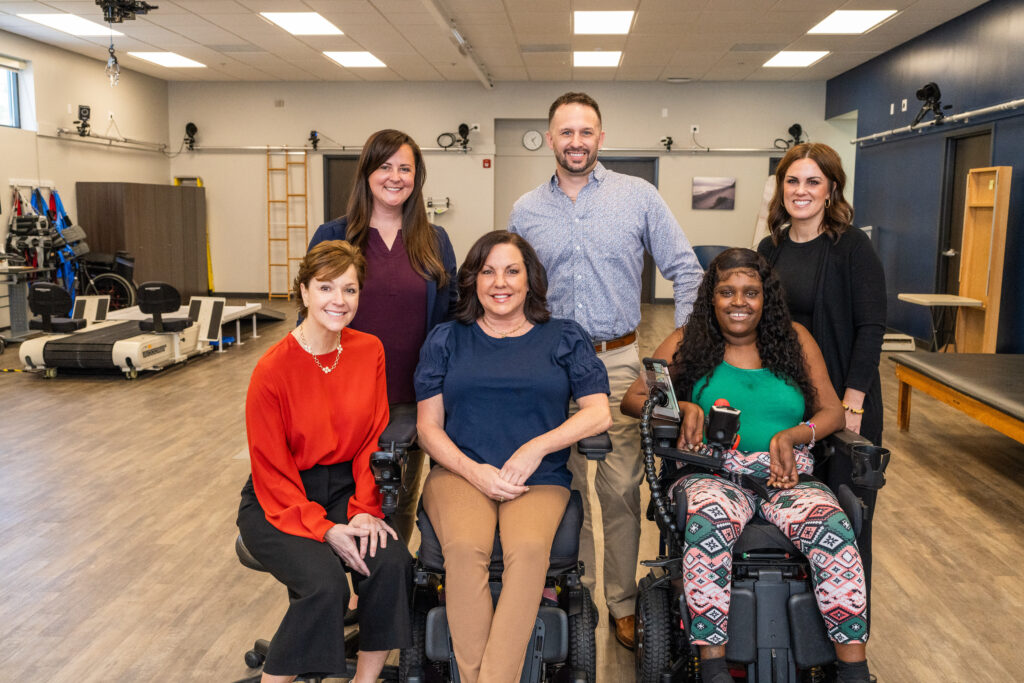
Progress after SCI can take many forms, and Neilsen Foundation grantee partners are contributing in different ways. Their work includes research aimed at restoring function as well as programs that address the practical and social realities of growing up with SCI, including access to experiences that support fuller participation.